
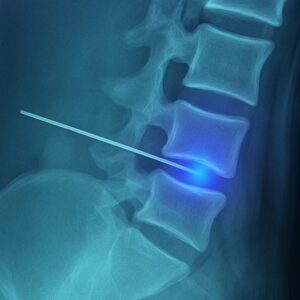
Intradiscal Oxygen-Ozone Non-Inferior to Microdiscectomy at 6 Months
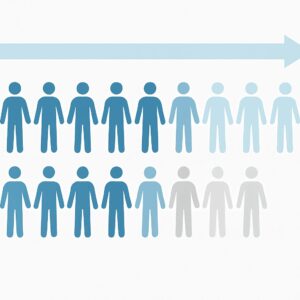
71% of patients avoided surgery. Non-inferior to microdiscectomy surgery.
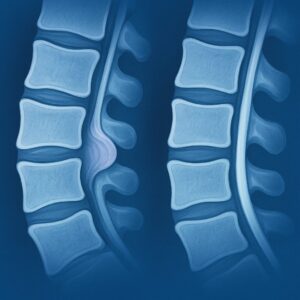
2,597 patient Systematic Review – Intradiscal Oxygen-Ozone Safe and Effective
9 superior, 3 equivalent to control, 3 not assessed.
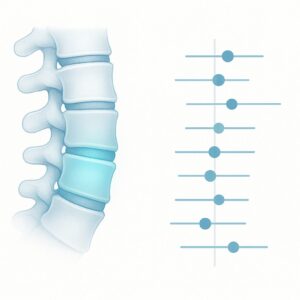
8,000 patient Meta Analysis: 62.5-86% effective, 0.6% adverse event rate
62.5-85% in terms of leg pain relief.
The likelihood of showing improvement on the modified MacNab
scale was 79.7%.
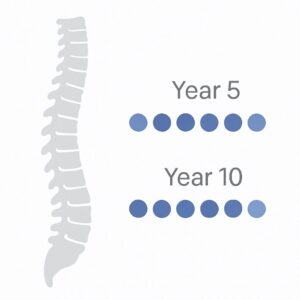
Intradiscal Oxygen-Ozone 82%/88% effective over 5/10 years
75% of patients were able to avoid surgery, and of the patients that avoided surgery, 82% improved at 5 years, and 88% improved at 10 years. 79% of patients had a reduction in herniation volume and the average reduction was 56%.
Intradiscal Oxygen-Ozone Superior to ESI Injections at 12 Months
Prospective, double blind, RCT; Ozone + ESI vs ESI alone.
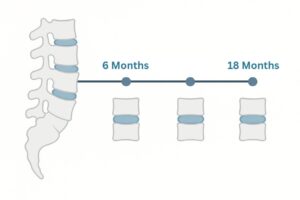
1,750 Patients Show Intradiscal Oxygen-Ozone 80%/75% Effective at 6mo/18mo
80% success rate and 20% failure rate in 1750 patients followed up to 6 months. Success dropped to 75% and failure increased at 25% in 1400 followed up to 18 months.